MMI is a supplier, distributor and installer of BulDock modular dock systems — a cube-based floating platform that can be configured into almost any shape, at almost any scale, and moved or extended later.
The system
BulDock is built from high-density polyethylene cubes bolted together with stainless fixings. There is no welding, no concrete and no specialist plant — which means a platform can be assembled on the shoreline, floated into position, and reconfigured or extended later without starting again.
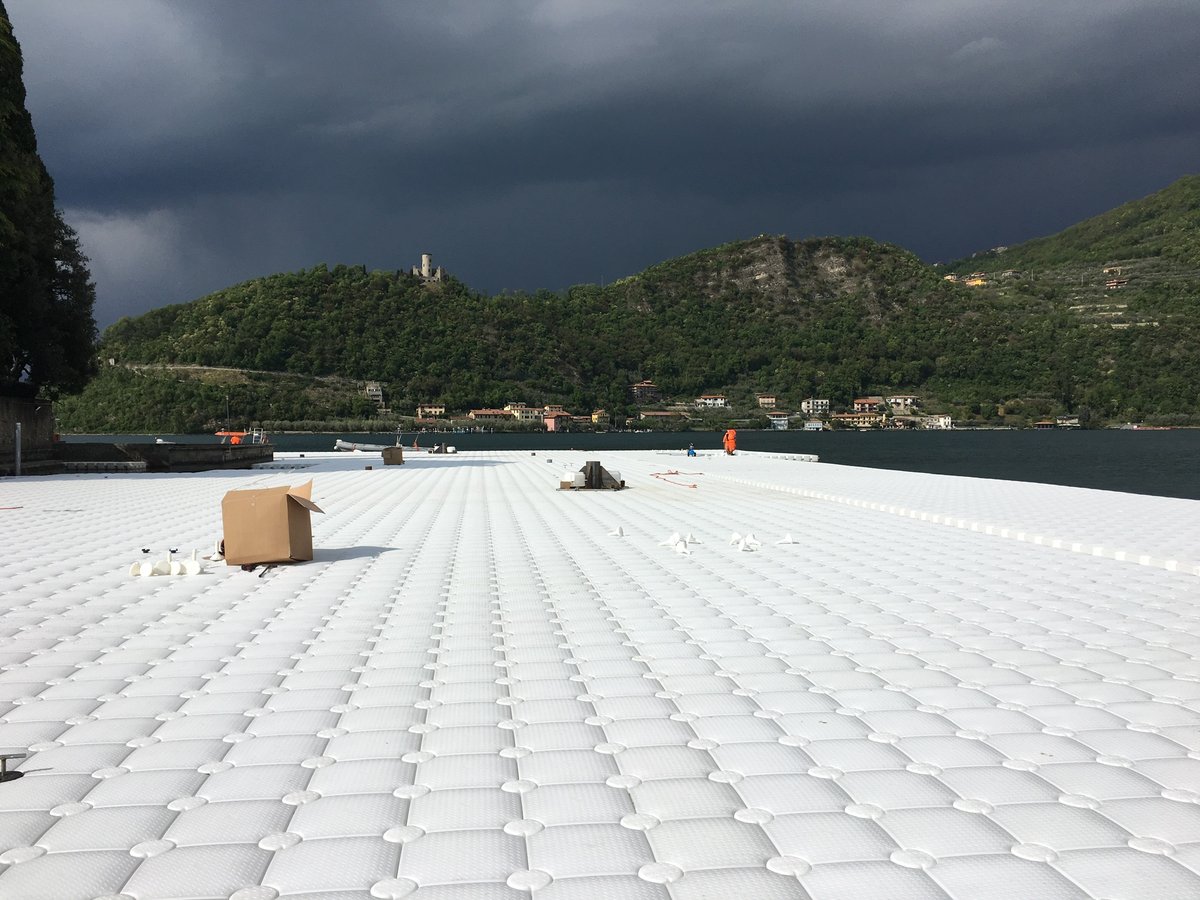
The cubes are UV-stabilised with an anti-slip moulded surface, and suit any shoreline — sea, loch, river or reservoir. Standard colours are grey, light blue, beige and orange, with custom colours available.
What it's used for
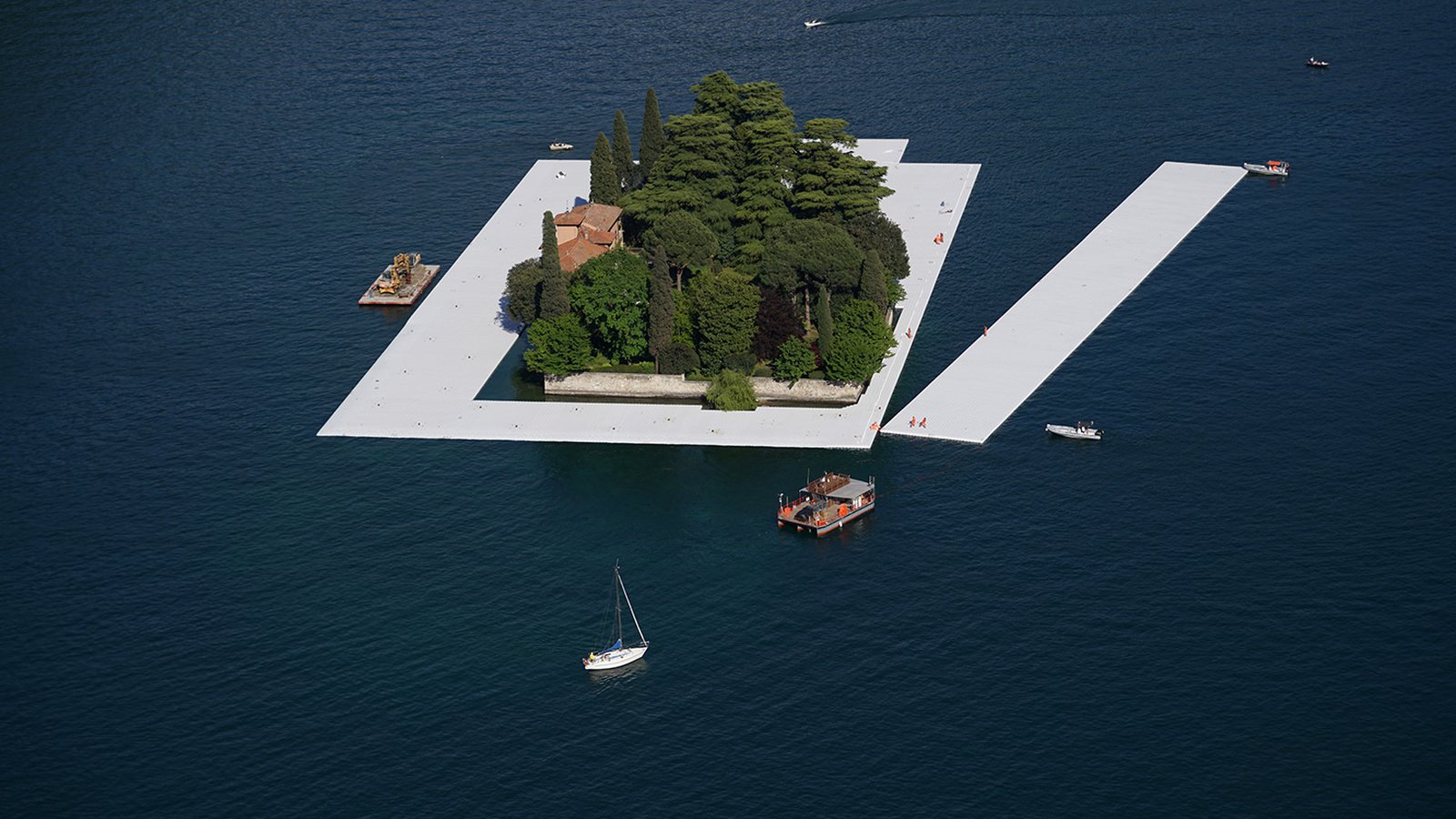
The same cubes make a berth, a walkway, a work platform or a swim deck — the configuration changes, the components don't.
Floating berths for marinas, clubs, hire fleets and private moorings — sized to the boat and the site, extendable as the fleet grows.
Roller platforms that let a boat drive straight out of the water and sit dry. Quick hull checks, cleaning and maintenance without booking a crane or a lift.
Floating access routes across water, around structures or between shore and berth — anti-slip surface, handrails where they're needed.
Floating swim decks and beach-club platforms for charter, resort and estate use — deployed for the season and lifted out afterwards.
Stable working decks alongside a hull, a structure or a pen — for survey, inspection, repair and aquaculture operations.
Large-area platforms for events and installations, assembled on site and taken apart again when the job's finished.
Marina & waterfront development
Scotland has a berth shortage and a lot of waiting lists. The traditional answer — piling, dredging, concrete and a two-year programme — is out of reach for most sites, and it commits you to a layout before you know whether the demand is there. Modular floating pontoons let you add berths in stages, pay as the income arrives, and change your mind later.
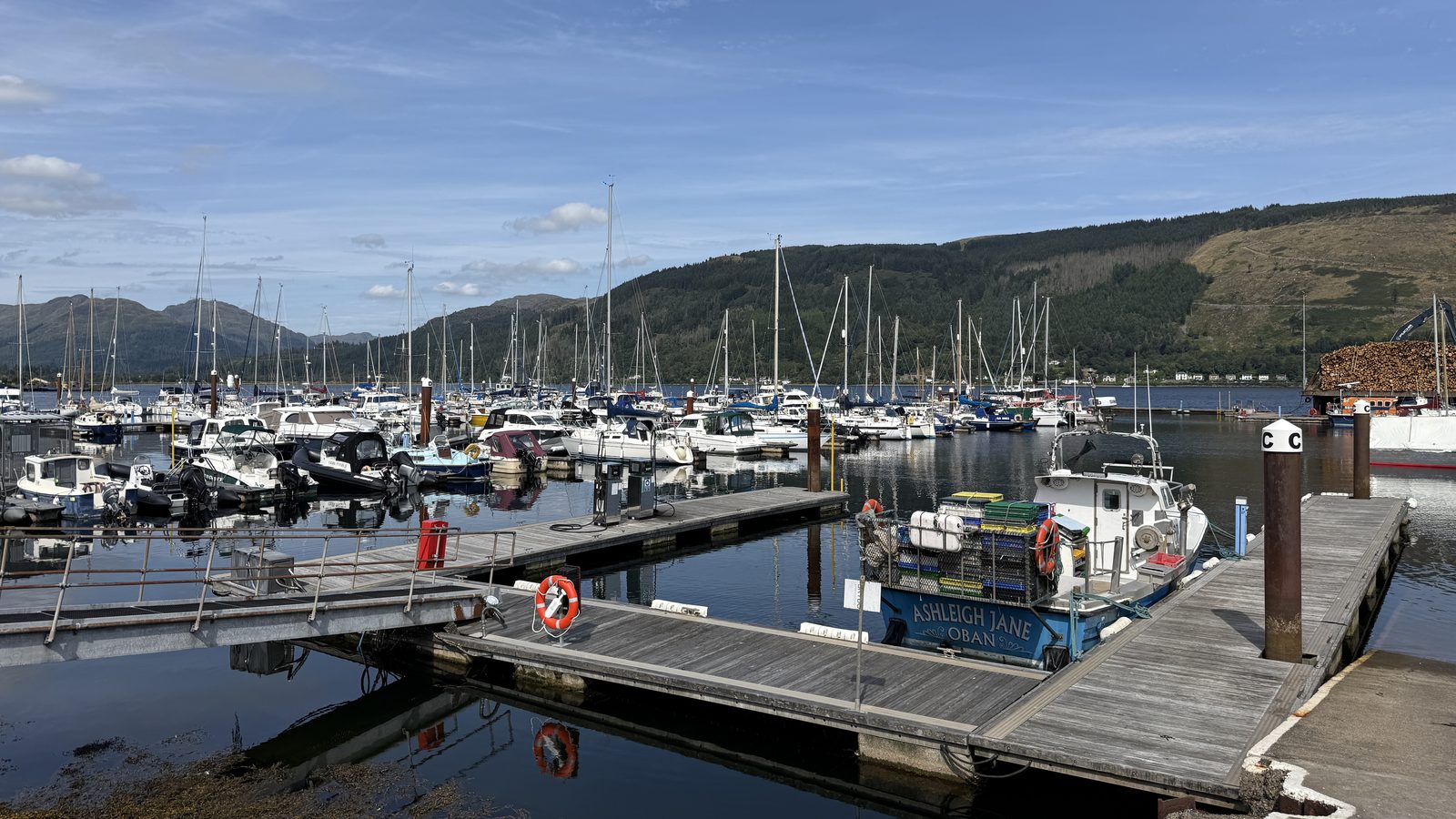
Most Scottish waterfronts are awkward: deep water close in, steep shorelines, exposed fetch down a loch, limited road access and a short weather window. A cube-based platform is assembled on the shore by hand and floated into position, so there is no piling rig to mobilise, no crane barge to hire and no concrete pour to programme around the weather.
It also means you are not stuck with the first decision you made. A pontoon that turns out to be in the wrong place can be moved. A visitor berth that proves popular can be extended next season. A layout that suits sailing boats can be reconfigured for a tour operator.
Who we build for
Different sites, same problem — more people want to get on the water than there is structure to put them on.
Add capacity against a waiting list without a full-scale build. New finger berths, a new arm off an existing pontoon, or a separate basin for smaller craft that are currently taking up larger berths.
A short visitor pontoon turns a lochside hotel, restaurant or distillery into somewhere people can arrive by boat and stay for lunch. Small structure, direct effect on covers and berthing income.
Separate the dinghies, tenders and RIBs from the working quay, so commercial traffic isn't obstructed and small boats aren't rafted three deep against a wall.
Launch and recovery platforms, safety boat berths, and stable staging for getting crews and kit on and off the water without a slipway queue.
Dedicated boarding pontoons for passenger vessels and hire fleets — level access, handrails where needed, and a layout that turns boats around quickly on a busy day.
Stable working decks alongside pens and moorings, and safe access routes for staff and equipment where there is no quay to work from.
How a project runs
No obligation until the quote stage, and we will tell you early if we think the site is wrong for it.
What you're trying to achieve, how many boats, what size, and what the site does in a blow. Photos and a rough sketch are enough to start. We'll say at this point if we think you need something other than a floating pontoon.
Depth, tidal range, current, fetch and exposure, seabed or loch bed, shore access and services. Real numbers, because the layout and the mooring design are only as good as this.
A configuration sized to the boats and the loads, priced properly — cubes, fixings, mooring or piling method, handrails, cleats, services and the installation itself. You can draw a first version yourself in the configurator below.
Yours to obtain, but we'll tell you plainly what you're likely to need before you spend, and provide the drawings and specifications your application needs.
Assembled on the shoreline and floated into position, moored or piled to suit the site. Phased so a site can stay open and trading through the work where possible.
Handover, spares and the option of seasonal inspection, reconfiguration and lift-out — done by marine engineers rather than a supplier who disappears after delivery.
Why buy it from an engineer
Most pontoon suppliers sell you a structure and leave. A working berth is more than that: it needs shore power that survives a Scottish winter, lighting that people can find in the dark, water, waste, fuel, fendering, safety equipment, signage and something to stop the whole lot chafing through in a year.
MMI is a marine engineering company that also supplies BulDock, which means the electrical installation, the services, the fixings and the maintenance plan are ours to get right too — not somebody else's problem after handover.
Send a photo of the site, a rough idea of how many boats and what size, and we'll tell you honestly whether it's worth pursuing — before either of us spends money on it.
Start a site conversationDesign it yourself
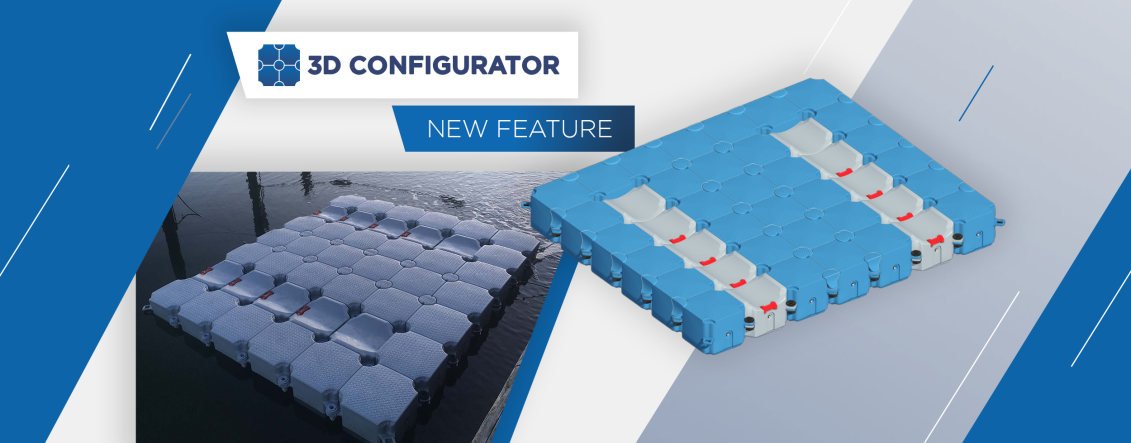
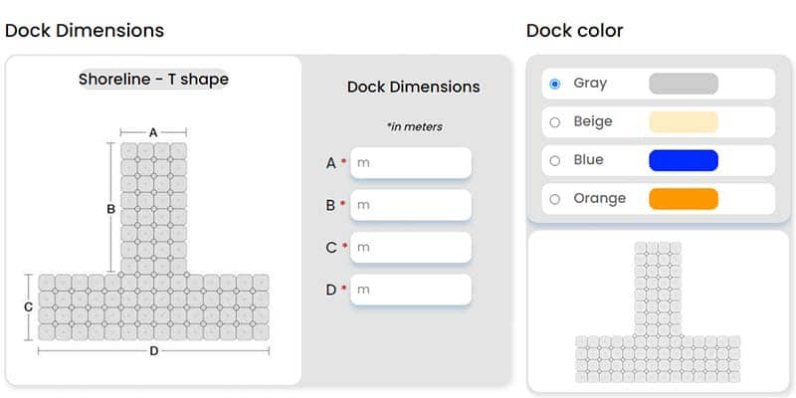
BulDock's own configurators let you lay out a platform, set the dimensions and pick the colour, then send it to us. It's the quickest way to turn "we need something along there" into a real conversation with real numbers.
 3D
3D
Build your layout in three dimensions, add sliders, cleats and handrails, and see it as it will sit on the water.
 2D
2D
Pick a shape — straight, T, L or U — enter your dimensions in metres, choose a colour and get a plan view in seconds.
Drawn something? Send it over and we'll price it, check it against your site conditions and arrange installation.
The components
Buoyancy is what decides your layout — how many cubes, in what pattern, to carry the load you need. These are the core units; sliders, cleats, handrails, pile brackets and winches are added on top.
| Unit | Size (cm) | Weight | Capacity |
|---|---|---|---|
| Cube H40 | 50 × 50 × 40 | 6.8 kg | 368 kg/m² |
| Cube H27 | 50 × 50 × 27 | 5.5 kg | 248 kg/m² |
| V-Cube H40 Flat | 50 × 50 × 40 | 8.0 kg | 320 kg/m² |
| V-Cube H35 Roller | 50 × 50 × 35 | 8.0 kg | 200 kg/m² |
All units: high-density polyethylene with UV protection, anti-slip moulded surface. Full range and accessory list available on request.
Before you order
A floating structure usually needs permission before it goes in the water. Depending on where you are that can mean a marine licence, a seabed or riverbed lease, Crown Estate Scotland consent, harbour or navigation authority permission, planning permission or landowner rights.
Getting those is the site owner's responsibility, not ours — but we'll tell you plainly what you're likely to need before you spend anything, rather than after. We'd rather lose a week at the start than have you lift a platform back out.
We'll also want real numbers from your site: depth, tidal range, current, exposure and how you intend to use it. The layout is only as good as that information.
A berth, a walkway, a swim platform or something nobody's asked for yet — send a photo of the site and a rough idea of size, and we'll take it from there.
Start a conversation